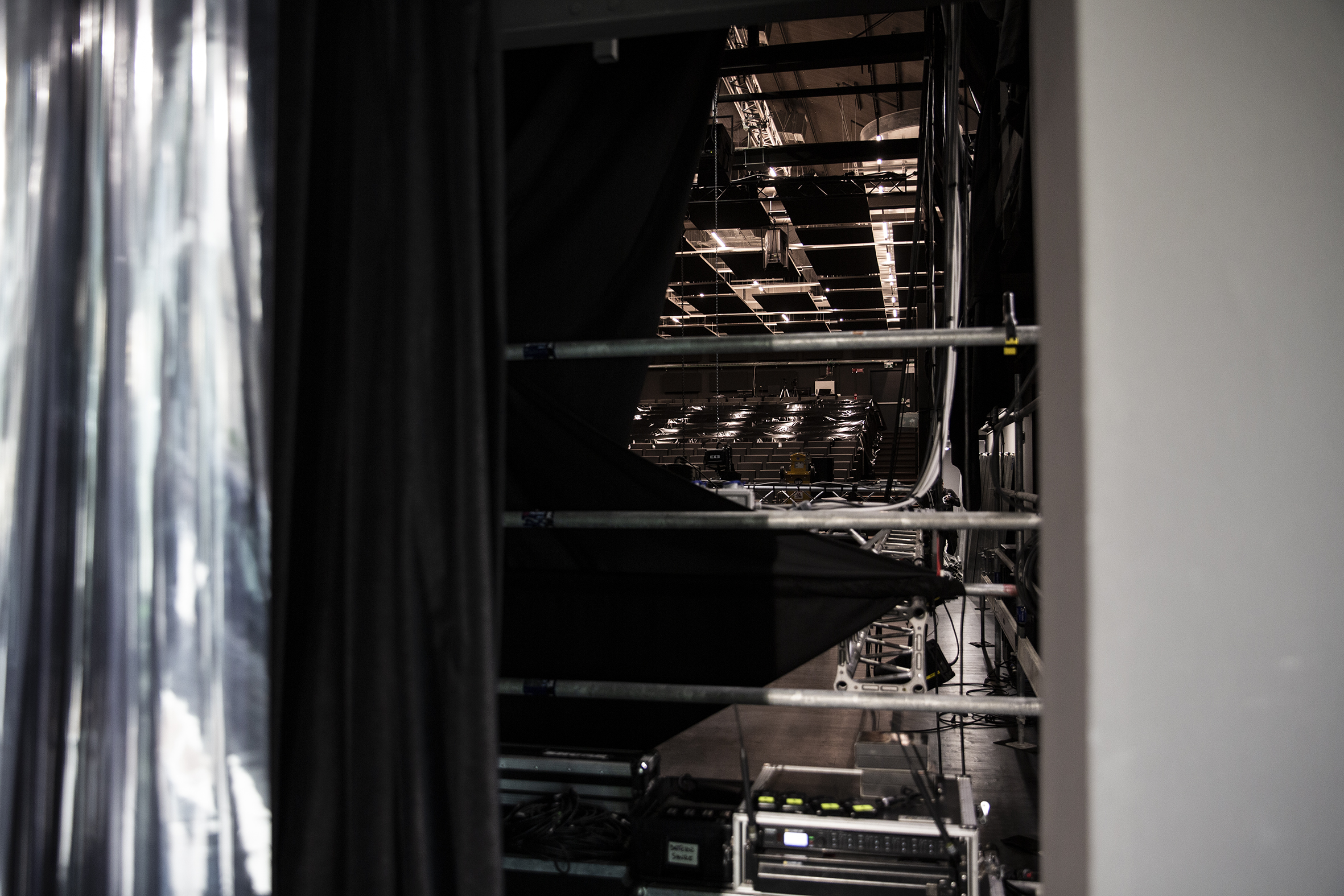
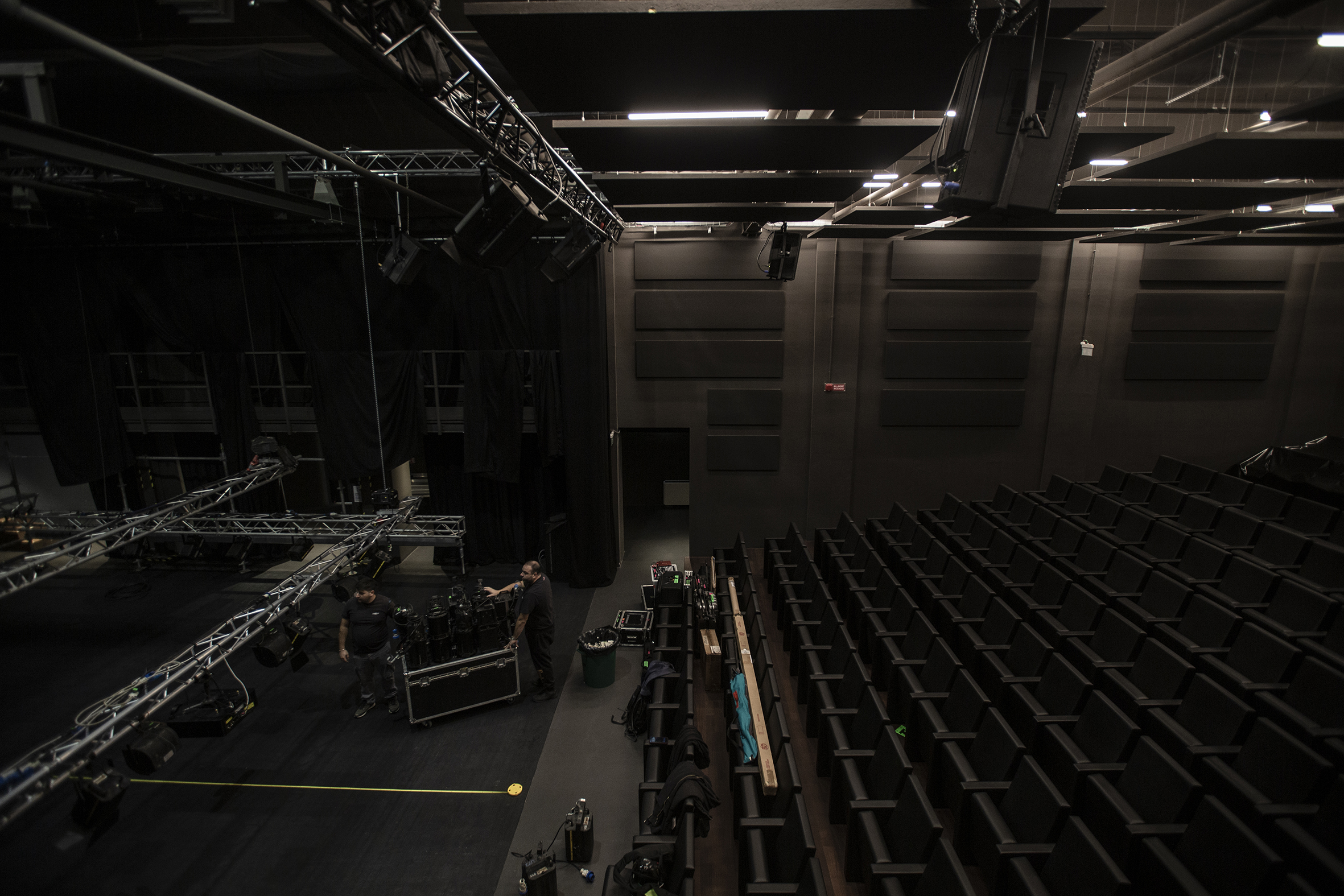
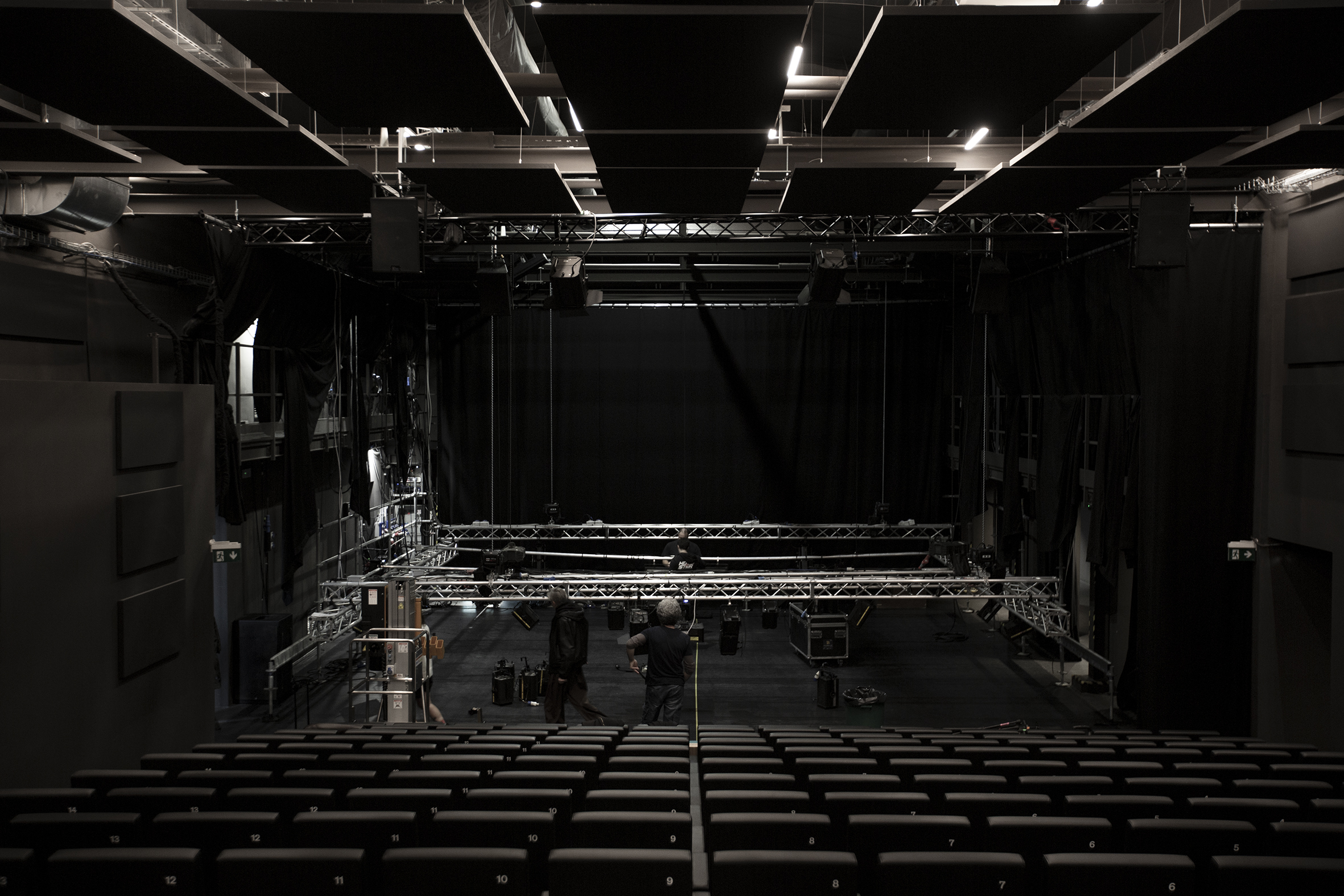
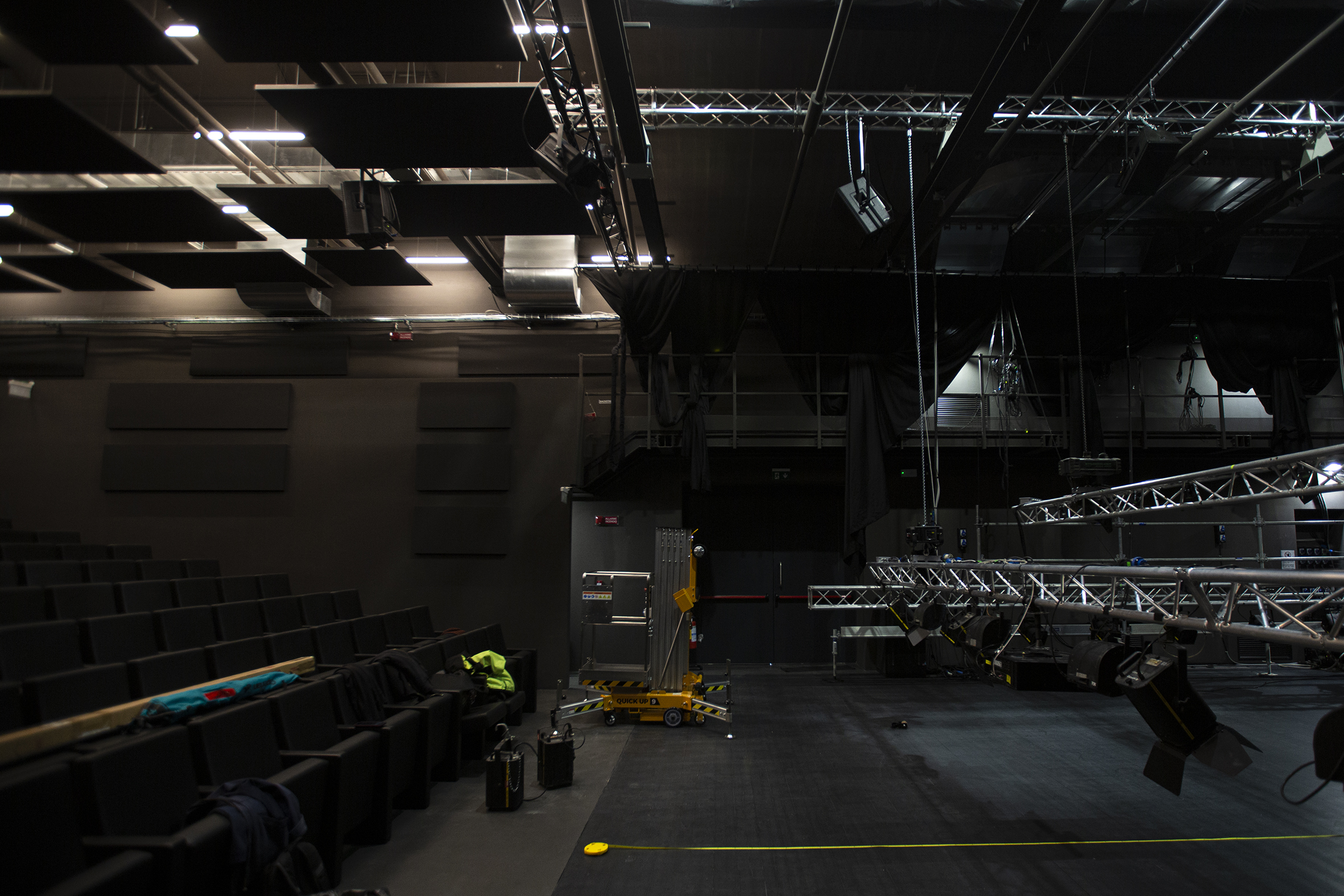
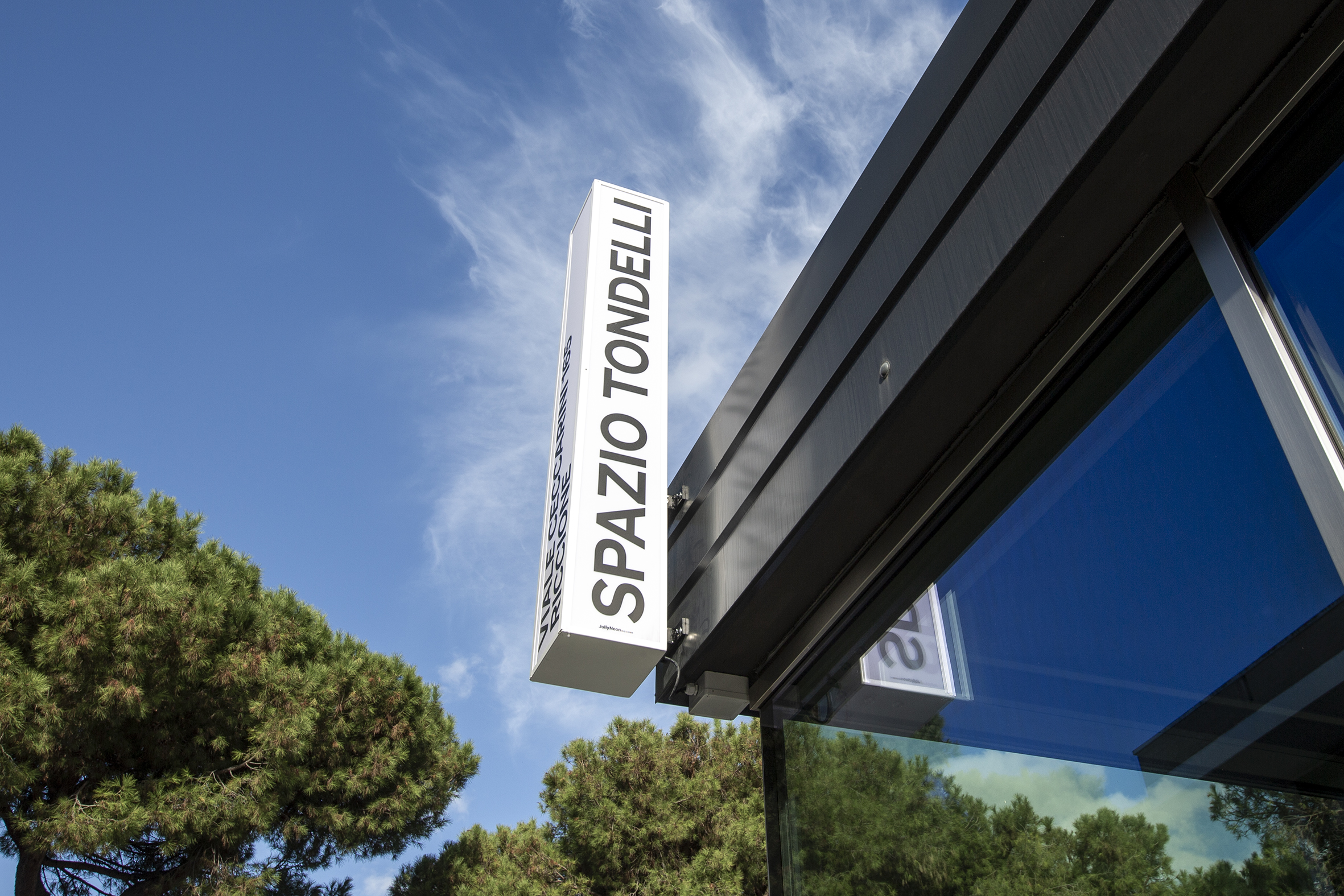
spazio tondelli
The Space of the Theater
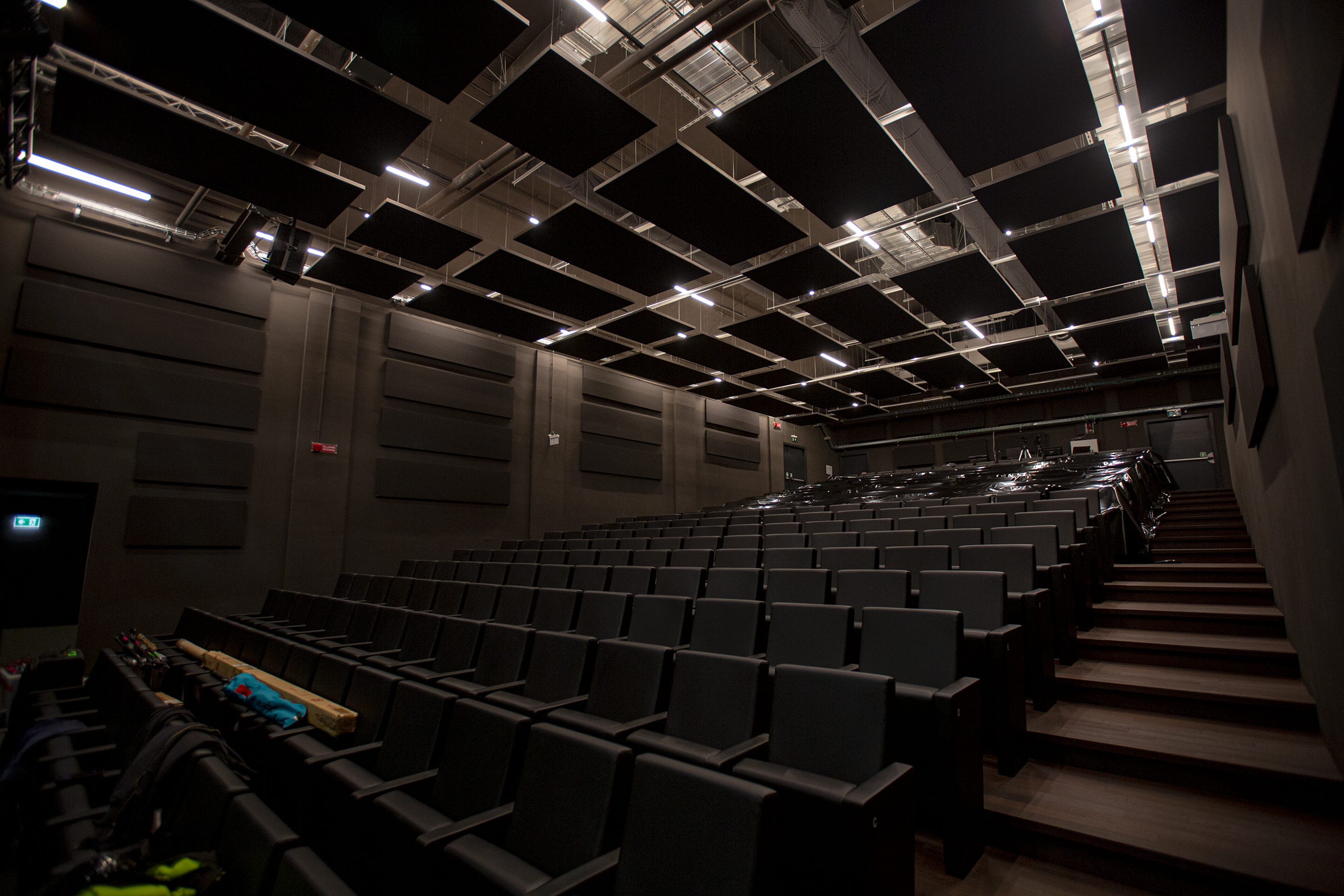
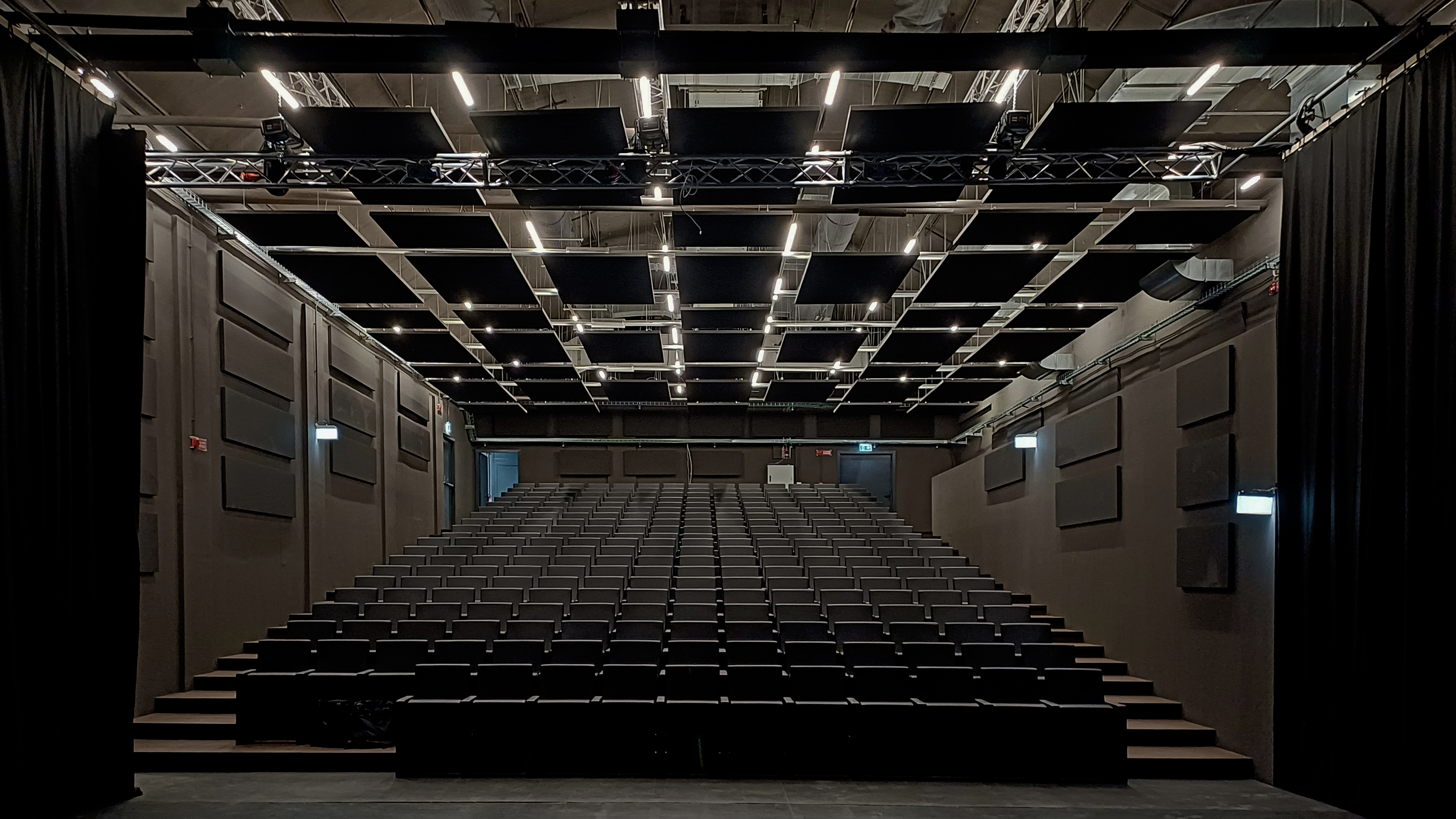
In architecture, the theater is a binary space consisting of a stage and a counter-stage, a place for action and a place from which to view it.
Tadeusz Kantor, in his capacity as author and director for The Water Hen, proposed a resolution that dissolves the division between stage and auditorium: the spectators are on the stage itself. Each spectator possesses a unique vantage point, and the theatrical action unfolds around each of these perspectives in a distinct way. The environment is action, and the person perceiving it is the spectator; the action performed by this spectator is, simultaneously, an action for themselves and for other actors/spectators. Thus, in a secondary sense, the theater within the realm of architecture functions as a manifold space of action and vision.
The observing eye specifically the eye of consciousness does not merely perceive neutral actions; rather, it encounters actions that are already being observed. Embedded within the action is the act of seeing that action the spectator’s act of watching, followed by the spectator’s act of watching someone else watch that action, and so on. The observing eye does not encounter an action so much as it encounters a gaze organized into a structure; it is, in fact, the very state of being seen that enables consciousness to perform the function of seeing. In a tertiary sense, the theater in architectural terms is an indefinable space characterized by an alternation between gaze and action, where the gaze itself is an action, and vice versa: it is the most redundant complexity one could possibly describe.
Along major vehicular thoroughfares, vast, expansive environmental panoramas unfold observed by a great number of people, most of whom are behind the wheel of a car. These panoramas glide past seated spectators: the scenery is action, and the act of driving is, in essence, the act of observing the environment. At the fourth degree of architectural theater, the space is binary a "return" or inverted configuration where the action remains stationary while the seated spectator is in motion.
There are other degrees of theatrical architecture non-return systems that presuppose the non-existence of a defined space yet the fact remains that theatrical action is by no means confined to the stage; rather, any space including transport infrastructure is theater.
Lo spazio del teatro
In architettura il teatro è uno spazio binario costituito da una scena e da una controscena, un luogo dell’azione ed un altro dal quale visionarla.
C’è una risoluzione di Tadeusz Kantor che, come autore e regista, ne “la gallinella acquatica”, annulla la divisione tra scena e platea; gli spettatori sono in scena, ogni spettatore ha un suo punto di vista e l’azione scenica si muove attorno ad ognuno di questi punti di vista, in maniera differente. L’ambiente è azione e chi lo vede è lo spettatore, l’azione che compie questo stesso spettatore al contempo è azione per sé e per altri attori/spettatori.
In secondo grado dunque, in architettura, il teatro è uno spazio multiplo di azione e visione.
L’occhio che guarda, e quello della coscienza in particolare, non esercita la propria capacità di vedere azioni neutre, bensì azioni già guardate. dentro l’azione c’è l’atto di vedere l’azione, l’atto dello spettatore mentre vede l’azione e ancora l’atto dello spettatore mentre vede vedere l’azione e così via. L’occhio che guarda non incontra un’azione quanto uno sguardo organizzato in struttura, è quindi il fatto stesso d’essere veduto che consente alla coscienza la funzione del vedere.
In terzo grado, in architettura, il teatro è uno spazio indefinibile di alternanza tra sguardo e azione, mentre sguardo è azione e viceversa: la complessità più ridondante che si possa narrare.
Lungo le grandi vie di scorrimento veicolare ci sono, infinitamente estesi, panorami ambientali, questi sono osservati da un gran numero di persone, prevalentemente al volante di un’automobile. tali panorami scorrono dinanzi a spettatori seduti: la scenografia è azione, l’azione di guida è guardare l’ambiente.
In quarto grado, in architettura, il teatro è uno spazio binario di ritorno ovvero invertito, con l’azione ferma e lo spettatore, seduto, in movimento.
Esistono altri gradi di architettura del teatro, sistemi di non ritorno che prevedono la non esistenza dello spazio; questo ambito è qui di difficile trattazione ma resta che l’azione teatrale è certamente non reclusa allo spazio scenico e che ogni spazio, comprese le infrastrutture viarie, è teatro.